

https://www.youtube.com/watch?v=v5ShiPBX7lw: Wall Bed Types Summary — What Space Savers Reveals
Space Savers’ video, “WALL BEDS or MURPHY BEDS”, introduces viewers to the many different designs available for rooms that need a bed without giving up all of their floor space. The central point is simple: wall bed types are not interchangeable, so you should compare how each option fits your room and daily routine.
The video provides a broad overview rather than identifying one universal solution. That makes it a useful starting point if you’re deciding between different cabinet arrangements, opening directions, storage approaches, or combinations with other furniture. The range of wall bed types means that a product that looks suitable when closed may still be wrong for the way you use the room.
This article organizes the subject around design, room function, measurements, storage, and installation. It expands on the video’s stated focus on variety without attributing specific models or features to Space Savers that the transcript does not identify. Use the discussion of wall bed types as a planning framework, then confirm exact specifications with the supplier before ordering.
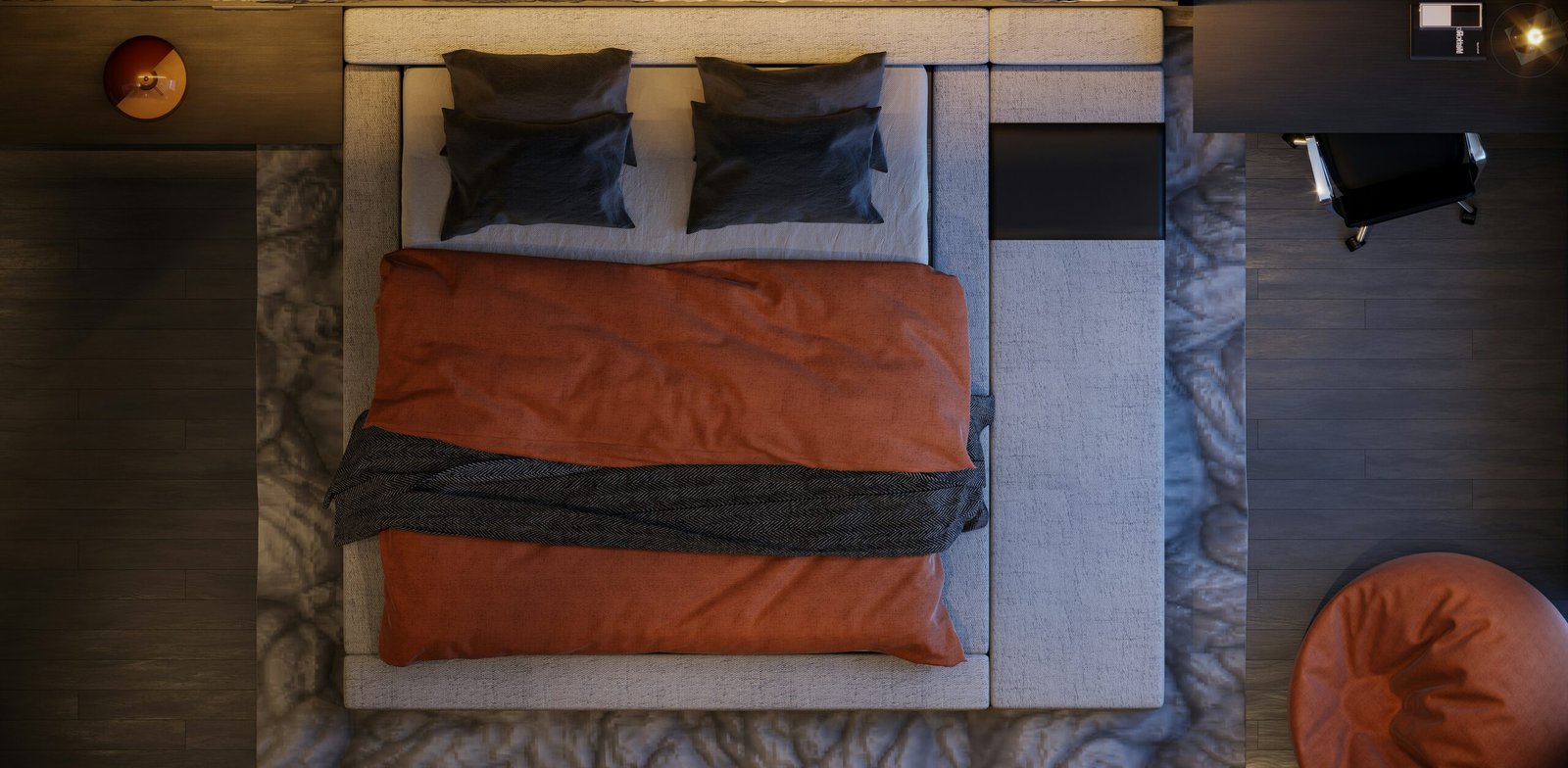
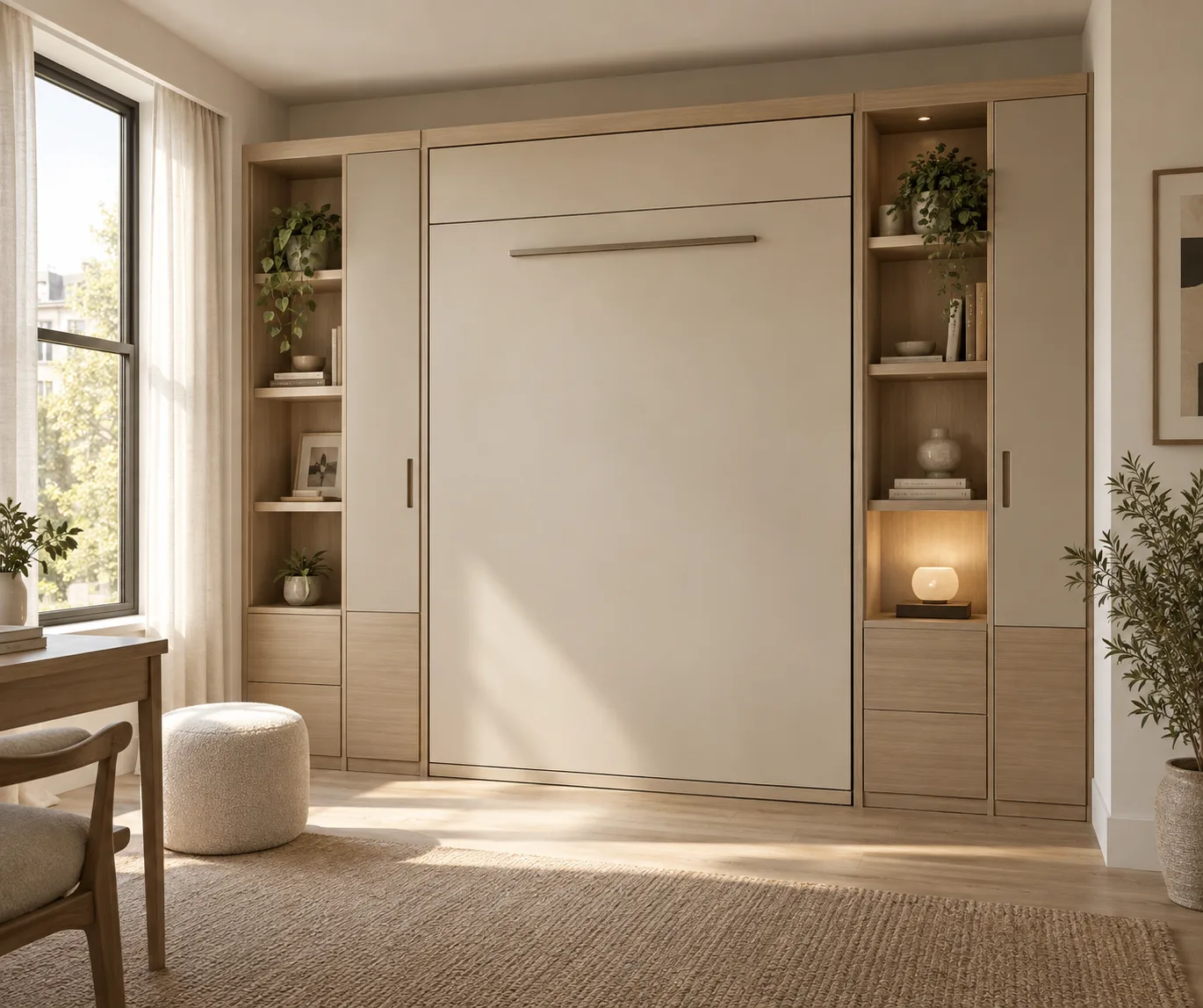
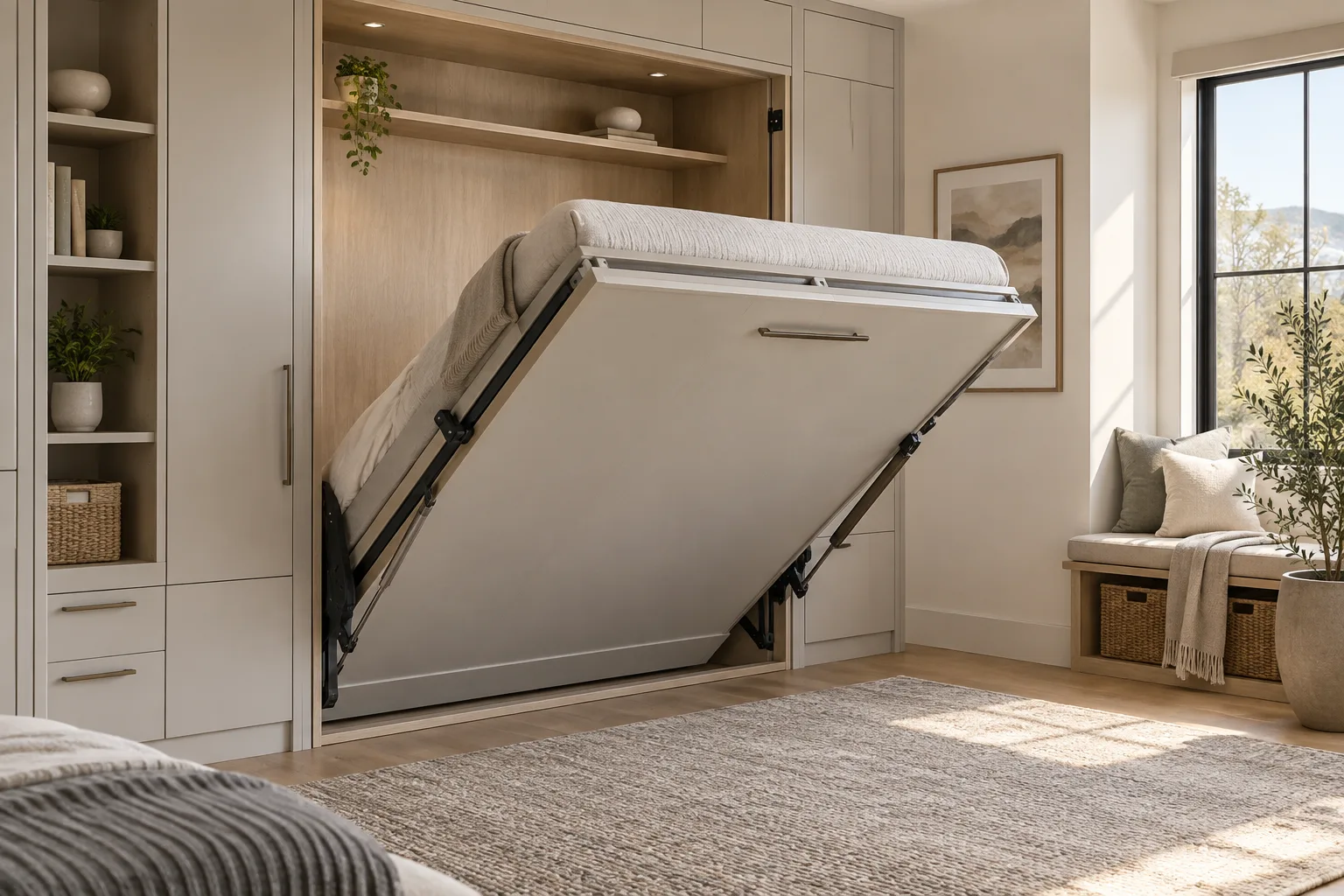
TL;DR: Key Takeaways About Wall Bed Types
The main takeaway from Space Savers is that there are many available wall bed types, and the right choice depends on how you intend to use the room. You shouldn’t select a bed solely because it looks attractive in a photograph. First determine whether the room is mainly a guest room, office, studio, small bedroom, or flexible multipurpose space.
Use this short comparison checklist when reviewing options:
- Orientation: Does the bed open vertically or horizontally, and which direction works with the room?
- Furniture: Can a desk, sofa, shelving, or other furniture remain in place?
- Storage: Does the unit provide storage, or will you need separate cabinets?
- Wall space: Will the closed cabinet fit without covering doors, windows, outlets, or radiators?
- Installation: What wall attachment, delivery access, assembly, and operating instructions are required?
To compare wall bed types efficiently, measure the room, define its primary use, list must-have features, shortlist compatible designs, and confirm installation details before ordering. These steps help you distinguish a bed that genuinely supports the room from one that only works in a showroom setting.
- Measure the wall, ceiling, floor, doorways, and open-bed area.
- Write down what the room must do every day.
- Separate essential requirements from styling preferences.
- Compare compatible wall bed types in one written table.
- Request final dimensions and installation information from the supplier.

Wall Bed Types and Murphy Bed Terminology to Know
The terms “wall bed” and “Murphy bed” are commonly used for beds designed to fold away against or into a wall or cabinet. Space Savers uses the subject of wall beds and Murphy beds to introduce the different designs available, but the short transcript does not define a particular construction or identify specific products. Treat the terms as a starting point for comparison, not as proof that every unit operates identically.
When reviewing wall bed types, organize the information into five practical categories:
- Bed cabinet: The fixed or enclosing structure that houses the bed when it is stored.
- Sleeping surface: The mattress area, including its size and any supplier-specified compatibility requirements.
- Folding mechanism: The system that allows the bed to move between its stored and sleeping positions.
- Storage components: Shelves, cupboards, drawers, or other storage associated with the unit.
- Surrounding furniture: Desks, seating, shelving, bedside pieces, and other items that affect movement.
This framework gives you useful language when comparing wall bed types with a supplier. Ask what changes from one option to another: how the bed opens, how much wall and floor space it occupies, whether furniture can remain in front of it, and what additional functions the cabinet provides. Those answers matter more than the general label “Murphy bed.”
Before requesting a quote, ask for a drawing or written description showing the unit closed and fully open. A closed cabinet view tells you about appearance, but it does not show the clearance needed for sleeping or walking around the bed.

How to Compare Different Wall Bed Types
Because the Space Savers video focuses on variety, you need a consistent way to compare wall bed types. Start with the physical operation. Record whether each candidate opens vertically or horizontally, how far it projects into the room, and whether anything must be moved before it can be opened.
Next compare the elements that affect everyday use:
- Opening direction and required clearance
- Mattress size and compatibility requirements
- Closed cabinet width, height, and depth
- Storage included in the design
- Desk or seating integration
- Visual style and how the cabinet looks when closed
To compare wall bed types step by step, record the room measurements first. Mark the cabinet’s closed position on a floor plan or with removable tape. Then mark the fully opened bed, including the space needed to walk around it. Identify obstacles such as doors, windows, radiators, outlets, desks, sofas, and fixed shelving.
- Measure the available wall and floor area.
- Mark both the stored and sleeping positions.
- List every obstacle and piece of furniture.
- Check whether normal movement through the room remains possible.
- Remove any design that fails an essential requirement.
Separate essentials from preferences. A particular finish, shelving style, or cabinet appearance is a preference. Adequate clearance, mattress support, wall suitability, and usable access are essential. Document every candidate’s dimensions and operating requirements in one comparison table before requesting a quote. This prevents a visually appealing option from winning simply because its limitations weren’t written down.
Choosing a Wall Bed for the Room’s Main Purpose
The same category of wall bed types can serve very different rooms, but the selection process should begin with the room’s primary purpose. A guest room may need a straightforward change from daytime space to sleeping space. A home office may need a desk to remain useful while the bed is closed. A studio or small bedroom may place greater pressure on circulation and storage.
For a guest room, prioritize a simple conversion and confirm that the opened bed does not block the main route into the room, a doorway, or access to essential furniture. Consider how often you expect to open and close it, then ask the supplier what operating steps are required. The goal is not to assume that one design is best, but to identify which of the available wall bed types suits the room’s expected routine.
For an office or multipurpose room, make two lists. The first should identify furniture that must remain usable when the bed is closed. The second should identify items that can be moved before opening. If the desk must be cleared every time, include that task in your practical assessment rather than overlooking it because the closed unit looks tidy.
In a small bedroom, check whether the bed’s open position leaves enough space for access and whether storage can be integrated without making the room difficult to use. Define the primary function first; otherwise, your choice may create compromises in storage, circulation, or daily convenience. Compare wall bed types against that decision rather than trying to make the room adapt to an attractive cabinet.
Space, Storage, and Installation Questions to Resolve
Before comparing wall bed types, build a complete measurement checklist. Record the available wall width, ceiling height, floor clearance, nearby doors, windows, outlets, radiators, and existing furniture. Also measure the route through which the unit must be delivered, including doorways and other restricted access points.
Measure two positions, not one. The closed cabinet footprint shows how much wall and floor area the unit occupies while stored. The fully opened bed position shows how far the sleeping surface projects and whether it interferes with walking space, drawers, doors, or other furniture. A unit can fit neatly against the wall and still make the room impractical when in use.
Storage needs deserve their own review. Ask whether the design includes shelving or cabinets, whether you need separate bedside storage, and whether open space around the bed is more valuable than additional compartments. For some rooms, integrated storage may reduce clutter; for others, it may make the cabinet wider or limit placement. Compare those trade-offs rather than treating storage as an automatic benefit.
Installation questions should be answered before you order any of the available wall bed types. Confirm the wall attachment method, floor conditions, delivery route, assembly requirements, and whether professional installation is required. Ask the supplier to confirm site suitability in writing where possible. A final design should fit not only the room plan but also the practical conditions of bringing, attaching, and operating the unit there.
A Practical Wall Bed Buying Checklist
Use this process to turn the variety highlighted by Space Savers into a manageable purchase decision. It helps you shortlist wall bed types based on evidence rather than appearance.
- Define the room’s use. Decide whether the room is mainly for guests, work, sleeping, studio living, or multiple functions.
- Measure the space. Record wall width, ceiling height, floor area, doors, windows, outlets, radiators, furniture, and delivery access.
- Shortlist compatible wall bed types. Remove any design that cannot fit in its closed or fully opened position.
- Compare opening clearance. Establish what projects into the room and what must be moved before operation.
- Verify mattress specifications. Ask which mattress sizes, thicknesses, and weights are supported by the specific unit.
- Review storage. Decide whether you need integrated shelving, cabinets, drawers, separate bedside storage, or open wall space.
- Confirm installation. Ask about wall attachment, floor conditions, assembly, delivery, and operating instructions.
Ask suppliers how the bed operates, what must be moved before opening, which mattress details are supported, and whether the product arrives assembled or requires installation. Request written dimensions and operating instructions rather than relying only on showroom photographs or a closed-bed view.
Before buying, complete a final check of the delivery route, wall suitability, access around the open bed, and the room’s appearance in both positions. The best of the available wall bed types is the one that satisfies the room’s practical requirements while also meeting your preferred appearance and storage needs.
Questions to Ask Before Choosing a Murphy Bed
The variety of wall bed types discussed by Space Savers makes supplier questions especially useful. You need more than a product photograph to determine whether a design will work in your room. Ask for exact closed and open dimensions, clearance diagrams, installation instructions, supported mattress details, warranty terms, and maintenance guidance.
Questions about operation should be precise. Ask how the bed opens, whether furniture must be moved, whether the surrounding area must be cleared, and whether the bed can remain partly furnished during conversion. If the unit combines a bed with a desk, seating, shelving, or cabinets, ask how those elements behave in both positions.
Use this question list when speaking with a supplier:
- What are the exact dimensions when closed and fully open?
- What clearance is required in front, beside, and above the unit?
- Which mattress sizes, thicknesses, and weights are supported?
- What wall attachment and floor conditions are required?
- Does the unit arrive assembled, partly assembled, or flat packed?
- Who handles installation, and what is included?
- What operating instructions and maintenance guidance are supplied?
- What warranty terms apply?
Describe your room and intended use clearly. Tell the supplier what furniture must remain usable, how often you expect to open the bed, and which access routes cannot be blocked. This gives you a more useful recommendation than asking which of the available wall bed types looks best in isolation.
Final Takeaways: Match the Wall Bed to the Room
Space Savers’ main message is that wall beds are not one uniform product category. The video introduces many available options, which means your decision should be based on comparison rather than on the assumption that every Murphy bed operates or fits in the same way.
Start by defining the room’s purpose. Then measure the space in both bed positions: closed against the wall and fully opened for sleeping. Check wall width, ceiling height, floor clearance, doors, windows, outlets, radiators, furniture, delivery access, and the route through the room. These details establish which wall bed types are realistically compatible.
After that, compare opening direction, clearance, mattress requirements, cabinet dimensions, storage, furniture integration, appearance, and installation needs. Ask suppliers for written dimensions, operating instructions, supported mattress details, warranty terms, and confirmation of site suitability. Don’t let a closed-bed photograph substitute for a full assessment.
The most actionable process is straightforward:
- Define the room’s main function.
- Measure the room and delivery route.
- Mark the open and closed positions.
- Compare compatible wall bed types.
- Verify mattress, storage, and installation details.
- Review the room’s access and appearance in both positions.
For the original overview of available options, watch the Space Savers video. Use it as an introduction, then apply the comparison process above before choosing the design that fits your room and routine.
Key Takeaways
- Space Savers’ video emphasizes that many wall bed designs are available, so you should compare options rather than assume every Murphy bed works the same way.
- Define the room’s primary function before choosing a design for a guest room, office, studio, bedroom, or multipurpose space.
- Measure the wall, cabinet footprint, delivery route, and fully opened bed position, including clearance around the sleeping surface.
- Compare opening direction, mattress requirements, storage, furniture integration, appearance, and installation details in one written table.
- Confirm dimensions, operating requirements, wall suitability, delivery access, and installation details with the supplier before purchase.
Frequently Asked Questions
What is the difference between a wall bed and a Murphy bed?
The terms are commonly used for beds that fold away against or into a wall or cabinet. The exact operation and space requirements depend on the specific design, so ask the supplier for dimensions, clearance, and operating details.
How do I choose the right wall bed for a small room?
Measure the closed cabinet footprint and the fully opened bed position first. Check access routes, nearby furniture, doors, windows, and the room’s main purpose before comparing compatible designs.
What should I measure before buying a Murphy bed?
Measure the wall, floor area, ceiling height, doorways, delivery route, windows, outlets, radiators, existing furniture, and the fully opened bed area. Both stored and sleeping positions need to work.
Can a wall bed work in a home office or guest room?
It can, provided the room’s furniture and conversion process suit the intended use. Check whether the desk or other essential furniture remains usable when the bed is closed and whether items must be moved before opening.
What should I ask about wall bed installation?
Ask about wall attachment, floor conditions, delivery access, assembly, professional installation, operating instructions, and site suitability. Request exact requirements in writing before ordering.