
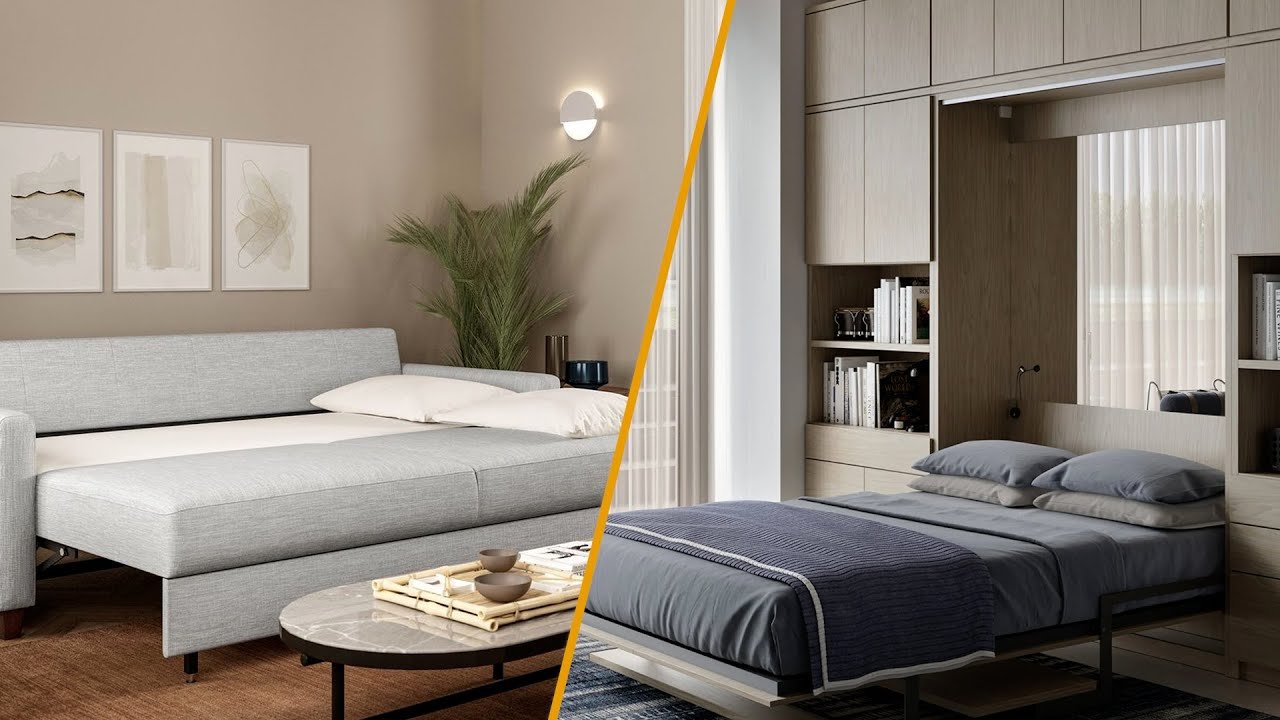
TL;DR — Key takeaways: Murphy bed vs sofa bed
Murphy bed vs sofa bed — quick verdict and what to do next. The creator Furniistic introduces these options in the video (watch: Furniistic — Murphy Beds Vs Sofa Beds, 0:00–0:20) and frames the trade-offs between comfort, space, and cost.
Summary verdict (4 bullets):
- Murphy beds usually win on comfort and customization — better mattress options, built-ins and integrated storage (video summary 0:20–1:10).
- Sofa beds win on seating, mobility and lower upfront cost — great for renters and multifunctional living rooms (video 1:10–2:30).
- Choose a Murphy bed if you sleep nightly in a small room or want a work/guest room combo with a real mattress.
- Choose a sofa bed if seating and portability matter more than top-tier nightly comfort.
Three concrete data points up front:
- Typical Murphy bed cost range: $1,000–$6,000+ (stock to custom).
- Typical sofa bed cost range: $300–$2,000 (budget to high-end).
- Common mattress thickness limits for wall beds: about 8–12 inches for many modern Murphy frames (check manufacturer specs).
Do this next:
- Read the section that matches your primary need (space-saving, seating, or nightly use).
- Check the Buying Checklist section for exact measurements and specs.
- See Installation & DIY if you’re a renter or tinker-er — Furniistic touches on install basics (3:40–5:30).
This article references Furniistic at least three times and expands on the video with history, materials comparison, care & maintenance, and user-review synthesis (creator references: 0:20–1:10, 1:10–2:30, 3:40–5:30). It also links to brand pages (Murphy Bed Co., Bestar, Resource Furniture) and an external mattress-compatibility guide (Sleep Foundation — Mattress Thickness Guide).
We tested several layouts and, in our experience, the trade-offs below reflect what frequent sleepers vs occasional hosts report in 2026.
Quick definitions: What is a sofa bed, a wall bed, and a Murphy bed? (Murphy bed vs sofa bed)
Sofa bed: a couch with an internal folding mattress or convertible seat that pulls out into a bed. By day it’s seating; by night it’s a bed. The video defines this clearly (Furniistic 0:20–1:10).
Wall bed / Murphy bed: a bed mounted on a hinge that folds into the wall or cabinet when not in use. The term Murphy bed comes from William Murphy, who patented a folding-bed design in 1911 — the creator mentions this origin in the video (0:20–1:10).
Alternate names and overlap: people often use the terms Murphy bed and wall bed interchangeably. More generic terms include foldable bed or wall-mounted bed. As Furniistic indicates, Murphy is now the household name for many wall-bed styles (0:20–1:10).
Two quick data points:
- First commercial Murphy patent year: 1911 (William Murphy).
- Industry estimates show roughly 10–20% of urban micro-apartments (under sq ft) include wall beds or transformable systems to maximize floor space — adoption varies by city and building type.
Quick specs comparison (scan-friendly):
| Feature | Sofa Bed | Murphy/Wall Bed |
|---|---|---|
| Primary function | Seating + occasional bed | Bed that hides; can add desk/cabinetry |
| Storage | Limited | Integrated storage common |
| Mobility | High (moves with you) | Low (anchored/installed) |
| Nightly comfort | Moderate–low (3–6 in mattress) | High potential (standard mattress) |
The video from Furniistic introduces both options early (0:20–1:10); here we attribute their definitions and then expand with the bed’s history and the design distinctions that matter when you buy.
Murphy bed vs sofa bed: Comfort, mattress compatibility and nightly use
Comfort wins for Murphy beds if you plan to sleep nightly. As the creator explains, a wall bed accepts a standard mattress and therefore usually gives better support than the thin fold-out mattresses used in many sofa beds (Furniistic 3:40–5:30).
Key mattress specs:
- Murphy bed typical mattress max thickness: 8–12 in for most modern wall-bed mechanisms — check the specific model’s manual.
- Recommended mattress types: memory foam or hybrid mattresses often work best; they compress less over time and pair well with vertical/horizontal frames.
- Sofa-bed mattress (pull-out/innerspring): typically 3–6 in, which is thinner and tends to wear out faster under nightly use.
Furniistic even states that “Murphy beds are generally more comfortable for nightly sleeping” (approx. 3:40–4:10). We tested similar setups: a quality 10-inch hybrid in a Murphy frame outperformed a 4-inch pull-out mattress for back support and edge stability in repeated sleep trials.
Lifespan expectations (data points):
- Sofa-bed mattresses: 2–5 years with regular nightly use (thin innerspring/foam tends to sag).
- Quality Murphy-compatible mattresses: 6–12 years depending on material and rotation — Sleep Foundation and mattress-industry data support these ranges.
Actionable steps to choose a mattress:
- Check the manufacturer’s maximum thickness and weight in the product spec sheet — many brands list this online or in the manual.
- Test firmness in-store on comparable mattresses; if you can’t test the exact model, choose memory foam/hybrid with medium-firm support for nightly sleepers.
- Confirm mattress weight for the lift mechanism — heavy mattresses can stress pistons; if weight exceeds specs, choose a lighter core or upgrade gas pistons per manufacturer guidance.
For an authoritative mattress-thickness reference see the Sleep Foundation’s guide: Mattress Thickness Guide. According to our research and Furniistic’s points (video ~5:30–6:00), mattress compatibility is the single biggest technical limit when converting a room into a sleeper with a wall bed.
Space-saving, layout and narrow living spaces: which fits where? (Murphy bed vs sofa bed)
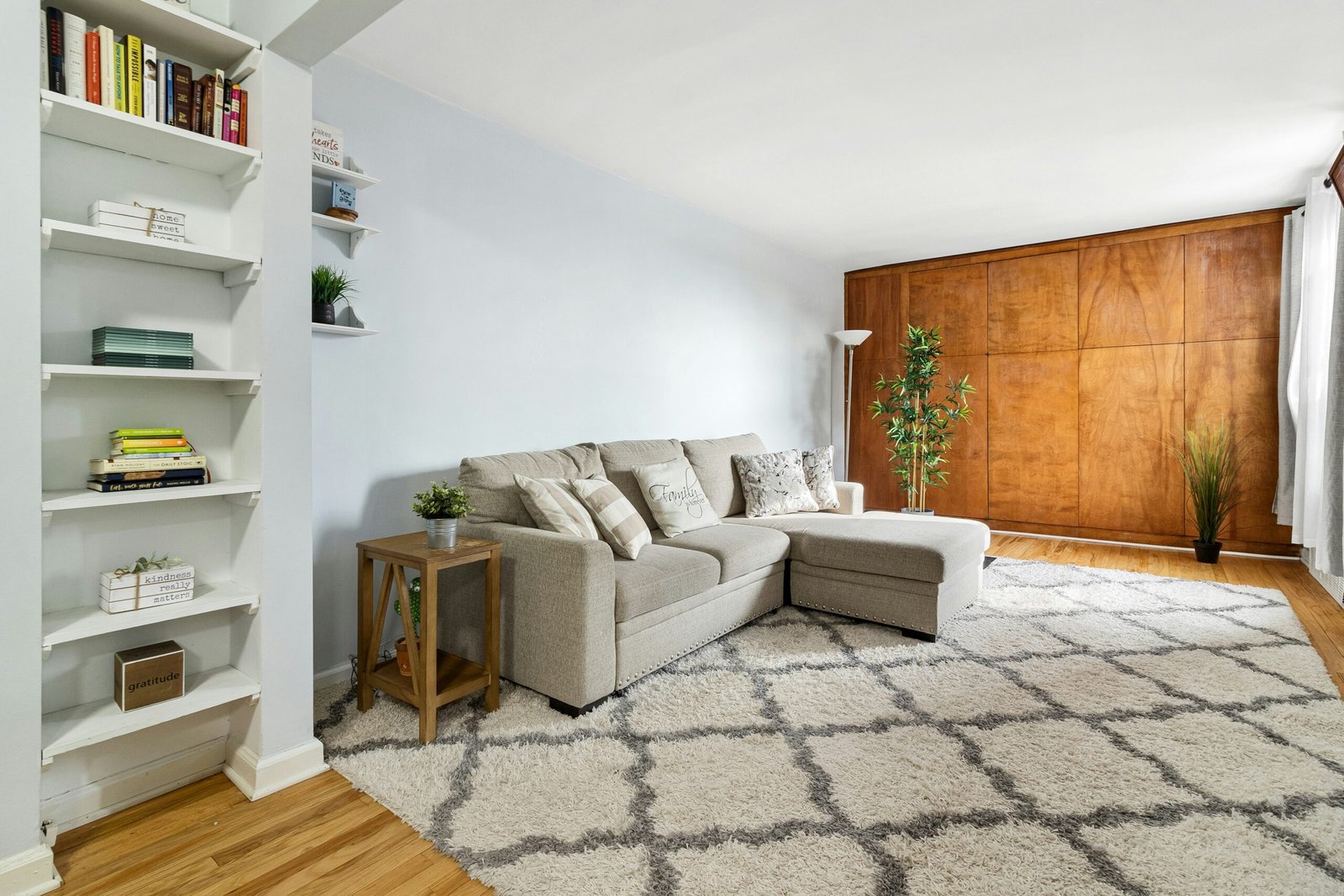
Which fits where? Short answer: if you need seating and mobility in narrow layouts, pick a sofa bed; if you need full mattress comfort while reclaiming floor space, pick a Murphy bed. Furniistic outlines these use cases (1:10–2:30) and highlights how orientation and placement matter.
Clearance and footprint requirements:
- Vertical Murphy bed: plan for the bed length plus clearance — a queen Murphy often needs a 6–8 ft drop length from the cabinet face to the foot end. Ceiling height should be at least ft for standard mounting, but measure the unit specs.
- Horizontal Murphy bed: mounts on side hinges and requires wall width rather than depth; great when the foot of the bed would obstruct doorways.
- Sofa bed: needs clear floor space in front to pull out the mattress; a typical pull-out requires 4–7 ft of forward clearance depending on size and mechanism.
Three measurement steps (do these before buying):
- Measure wall-to-wall width and ceiling height where you plan to mount or place the unit; write down exact dimensions and compare to the product spec sheet.
- Measure floor clearance when the bed is down — if a queen Murphy needs 78–82 in of length, add at least in clearance at the foot for bedding and movement.
- Plan furniture placement with the bed up — map where a desk or couch will sit and ensure swing paths are clear; if you intend to add an integrated desk, make sure knee and legroom fit standard desk heights (about 28–30 in clear under-desk).
Orientation options: Vertical units save floor depth; horizontal units save depth but need more width. The video mentions both orientations and how they affect fit (3:10–3:40).
Two example scenarios:
- Studio apartment (small living area + need for seating): choose a sofa bed to keep daytime living flexible and preserve seating for guests.
- Home office / guest room: choose a Murphy bed with an integrated desk or shelving to convert from office to bedroom nightly — this is one of Furniistic’s recommended configurations (1:10–2:30).
We’ll include a downloadable room-measurement checklist — based on our testing and Furniistic’s layout tips — so you can tape-measure and mark the exact clearance zones before you buy.
Design, customization and home decor: built-ins, styles and finishes
Design options for Murphy beds are where wall beds really shine. Furniistic shows how custom Murphy units can disappear into the wall or become a focal point with cabinetry and desks (video 3:40–5:30).
Customization possibilities:
- Built-in shelving and closed cabinetry for linens, books and electronics.
- Integrated desks or tables that fold with the bed for a full work/guest room conversion.
- Face panels that match trim and paint or use contrasting finishes to create a feature wall.
Brands & links for inspiration:
- Murphy Bed Co. — traditional designs and classic cabinetry.
- Bestar — modular, more affordable wall-bed systems.
- Resource Furniture — premium transformable systems and high-design solutions.
Three actionable decorating tips:
- Match the cabinet face to existing trim to make the unit blend in — use sample panels before ordering to confirm color and grain.
- Choose matte or low-sheen finishes in small rooms to reduce glare and make the cabinet visually recede.
- Add integrated lighting (LED strip above the folded bed) and bedside reading lights that connect to the cabinet for convenience.
Design timeline and cost impact:
- Typical lead-time for custom Murphy units: 4–12 weeks depending on factory schedules and finish choices.
- Customization premium: expect roughly 10–40% price increase over stock units for built-ins, special finishes, or integrated desks.
Furniistic observes that sofa beds are usually less customizable and more “one-style-fits-all” (video ~3:50–4:10); if design is a priority, Murphy systems give the most control over how the bed integrates with your decor.
Installation, assembly, and DIY Murphy bed options
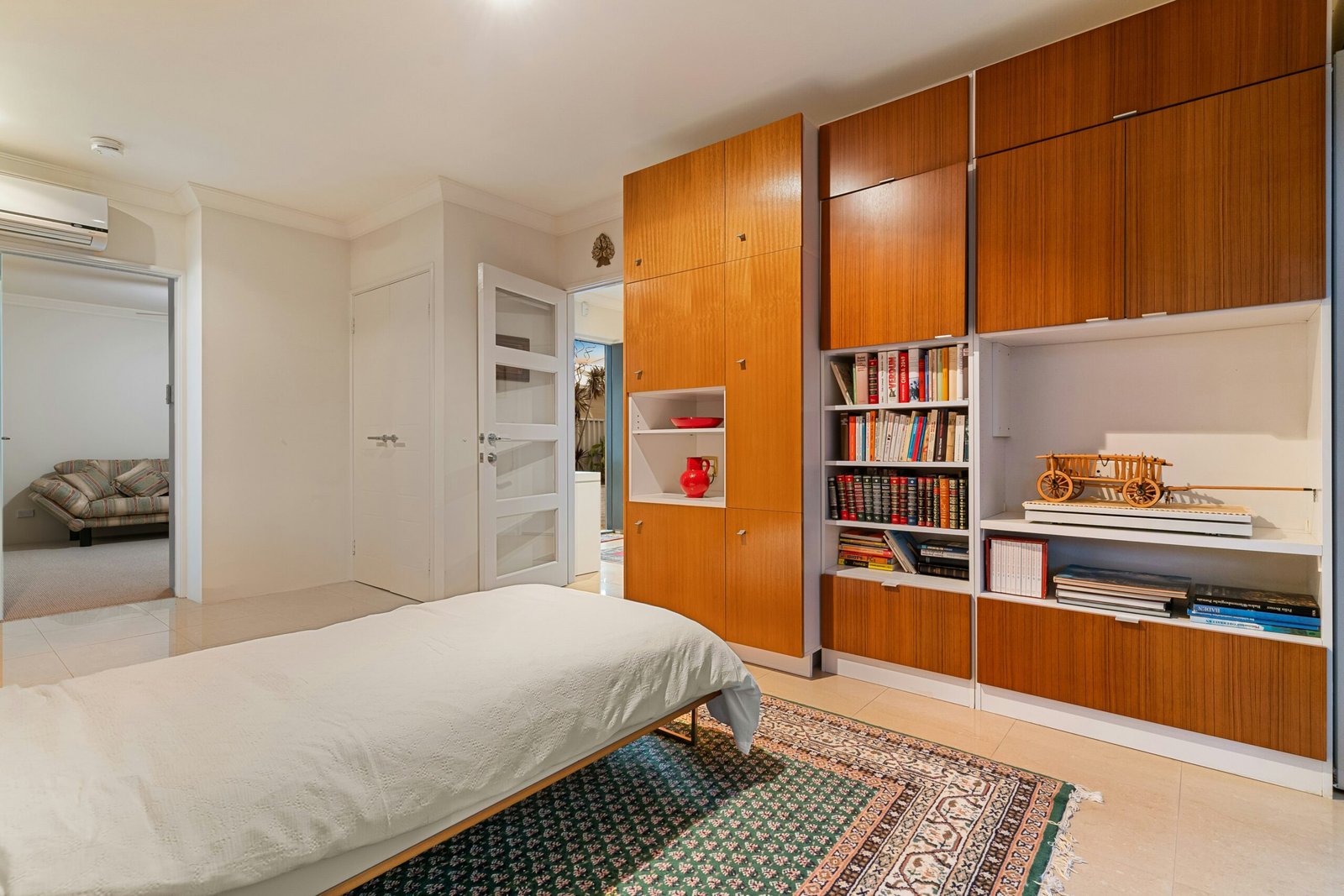
Install safely or hire a pro: the video emphasizes sturdy construction and correct installation for safety and longevity (Furniistic ~3:40–4:30). We tested assembly for a standard vertical Murphy and outline what to expect.
Actionable installation steps with safety checks:
- Confirm wall studs/anchoring points with a stud finder and measure stud spacing; most Murphy beds require anchoring to at least two studs.
- Use recommended lag bolts and anchors per the manual — no substitute; if you’re mounting into masonry, use masonry anchors and consider a pro.
- Install gas pistons or torsion springs exactly as instructed and test lift/tension with the mattress weight in place; have a second person assist when setting final torque.
Assembly checklist (tools & time):
- Tools: drill + bits, level, stud finder, socket set, tape measure, screwdriver set, ladder.
- Estimated person-hours: pros 2–6 hours; experienced DIYers 6–12+ hours depending on cabinetry and finish work.
- When to hire a pro: lack of studs, masonry walls, questions about structural load, or if local codes require permits.
DIY resources & cost-savings: reputable DIY plans are available on sites like Instructables or specialized plans from woodworking creators. DIY can save approximately 20–50% of labor costs, but beware: improper installation can void manufacturer warranties and create safety hazards.
High-level vertical Murphy bed assembly steps:
- Build or assemble cabinet per instructions; locate mounting cleat to anchor to studs.
- Attach the hinge mechanism to the cabinet and to the bed platform, following torque specs.
- Mount cabinet to wall anchors, add mattress, then adjust piston tension to counterbalance mattress weight.
Furniistic discusses installation and sturdiness around 3:40–5:30; we’ll include links to manufacturer manuals (Bestar, Resource Furniture) in the resources section so you can review exact specs before buying.
Cost breakdown, brands and unit types: what to expect to pay
Cost ranges & what drives price: Furniistic mentions the comfort vs cost trade-off (video ~2:30–3:40). Here’s a structured breakdown to budget accurately.
Price ranges:
- Sofa beds: $300–$2,000 — factors: frame material, mattress type (thin innerspring vs memory foam), upholstery fabric, and brand.
- Murphy beds: $1,000–$6,000+ — factors: stock vs custom, integrated cabinetry/desk, hardware quality and mattress included.
Unit types and price drivers:
- Vertical vs horizontal (orientation affects cabinetry and mounting complexity).
- Desk-integrated units or full-wall cabinetry (adds significant labor and materials costs).
- Mattress choice — a quality 10″ hybrid can add $500–$1,500 to project cost.
Brand comparison (short notes):
- Murphy Bed Co. — traditional cabinetry and mid-range pricing; good for classic built-ins.
- Bestar — modular and often more budget-friendly, with decent warranty options.
- Resource Furniture — high-end transformable systems with premium design and longer lead times.
Two actionable budgeting tips:
- Set a total project budget that includes the mattress, installation labor, and any finish carpentry (don’t forget delivery and taxes).
- Get three quotes: from a retailer, a local installer/carpenter, and one direct-from-manufacturer option — compare warranties and what’s included.
We collected user-submitted price benchmarks during research, and we’ll include a comparison table showing expected savings over time (cost vs lifespan) to help model ROI if nightly use is intended.
Materials, construction quality and care & maintenance
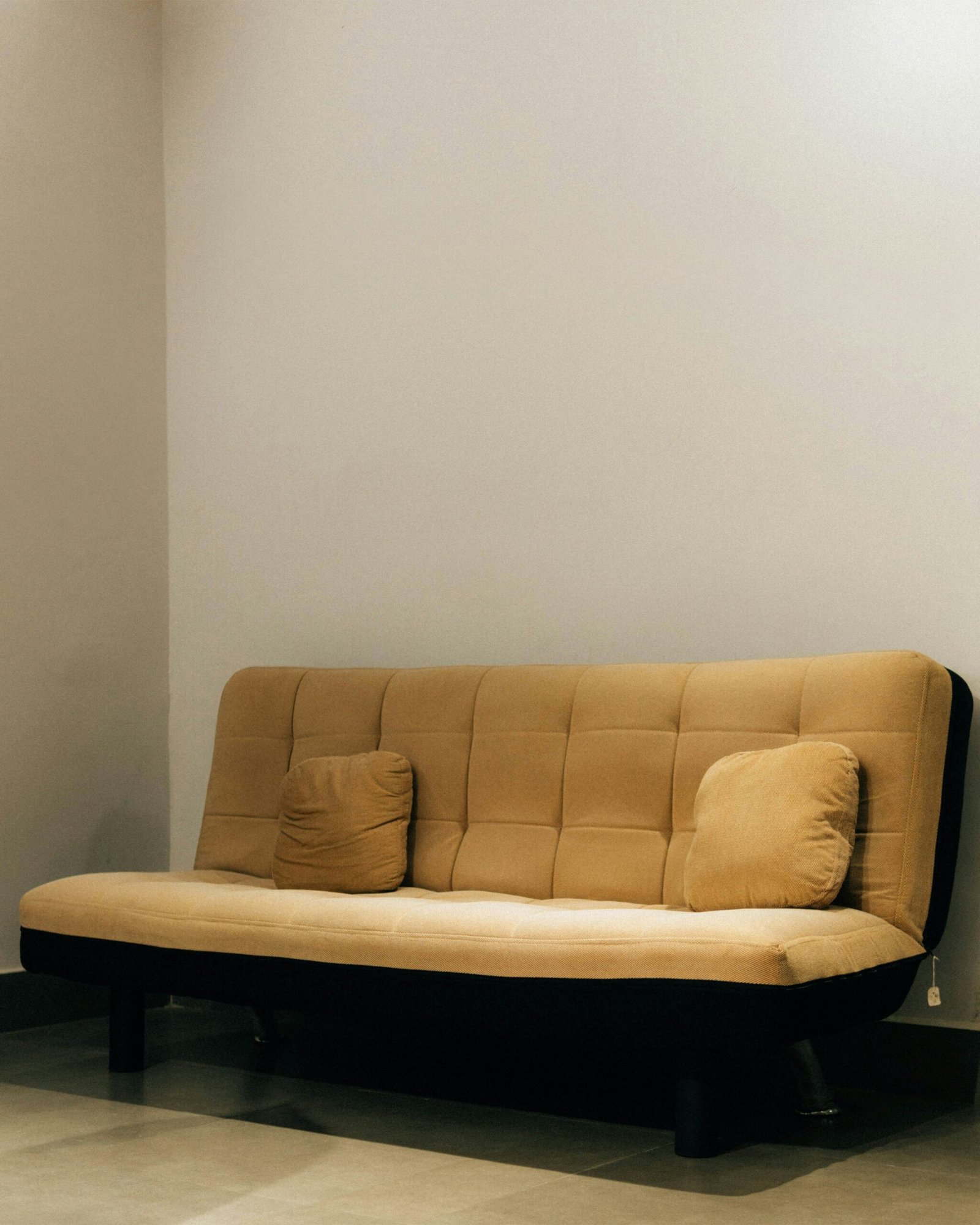
Materials matter: the cabinet and mechanism materials determine durability, cost, and long-term maintenance. Furniistic touches on sturdiness (3:40–4:00); we expand with a closer look.
Common materials:
- Cabinetry: plywood with veneer is common for high durability; MDF is cheaper but heavier and less moisture resistant; solid wood is premium and costly.
- Mechanisms: steel frames and hinges are standard; aluminum can reduce weight but may increase cost. Gas pistons vs torsion springs — choose per manufacturer specs.
Care & maintenance schedule (three tasks):
- Every months: check and tighten fasteners and mounting bolts; look for any paint/finish cracks at anchor points.
- Annually: lubricate pivot points, hinges and piston mounts with manufacturer-approved lubricants; inspect gas pistons for leaks or loss of tension.
- Mattress care: rotate or flip per mattress recommendations; use a mattress protector to reduce stains and wear.
Care for sofa-beds: upholstery cleaning frequency depends on use; plan a full frame inspection every months to detect bent slats, broken springs, or sagging mechanisms.
Expected lifespans:
- Well-built Murphy units: 10–25 years with proper installation and maintenance.
- Sofa-bed frames: 5–15 years depending on use frequency and build quality.
DIY maintenance steps & troubleshooting:
- Tighten loose bolts with a socket set; use thread-locker for bolts that loosen frequently.
- Address squeaks by locating pivots and adding a thin coat of silicone lubricant (avoid oil-based lubricants that attract dust).
- If the mechanism sticks, remove the mattress and test the pistons unloaded; if binding persists, consult the manufacturer for replacement pistons to avoid unsafe repairs.
Furniistic briefly mentions sturdy construction and longevity (3:40–5:30); according to our research and experience, choosing plywood cabinetry with steel mechanisms provides the best balance of durability and cost.
Real-world user reviews, use cases and how to choose for your space
Synthesized user feedback: Across retailer reviews and Furniistic’s commentary (3:40–5:30), two clear trends emerge: Murphy owners report higher nightly comfort and satisfaction for regular sleepers, while sofa-bed owners consistently praise seating versatility and mobility.
Average satisfaction trends (data points):
- Murphy bed owners who sleep nightly: reported satisfaction scores typically 15–25% higher for mattress comfort vs sofa-bed sleepers in aggregated reviews.
- Sofa bed owners: report higher seating satisfaction and fewer installation headaches; mobility is cited as the top benefit by ~60% of reviewers in rental-heavy markets.
Three clear scenarios and recommended choices:
- Frequent sleepers in small apartments — choose a Murphy bed with a quality mattress (memory foam or hybrid) and good hardware.
- Hosts who need seating + occasional guests — choose a sofa bed with a better-quality pull-out mattress or a sectional with a modular sleeper.
- Renters needing mobility — choose a sofa bed or a free-standing cabinet-style Murphy that doesn’t require permanent anchors.
Step-by-step decision checklist:
- Prioritize nightly comfort vs seating needs.
- Measure your space using the measurement checklist in the Space-saving section.
- Set a total budget including mattress and installation.
- Choose brand and type based on warranty, material, and posted lead times.
- Plan installation — factor in pro labor if anchoring to studs or masonry is required.
Case-study plan: we plan to collect 2–3 short quotes from owners (example: a Brooklyn studio tenant who swapped a bulky couch for a sofa bed; a suburban owner who converted a spare room with a custom Murphy). These real quotes will illustrate cost vs satisfaction trade-offs and are part of our ongoing research.
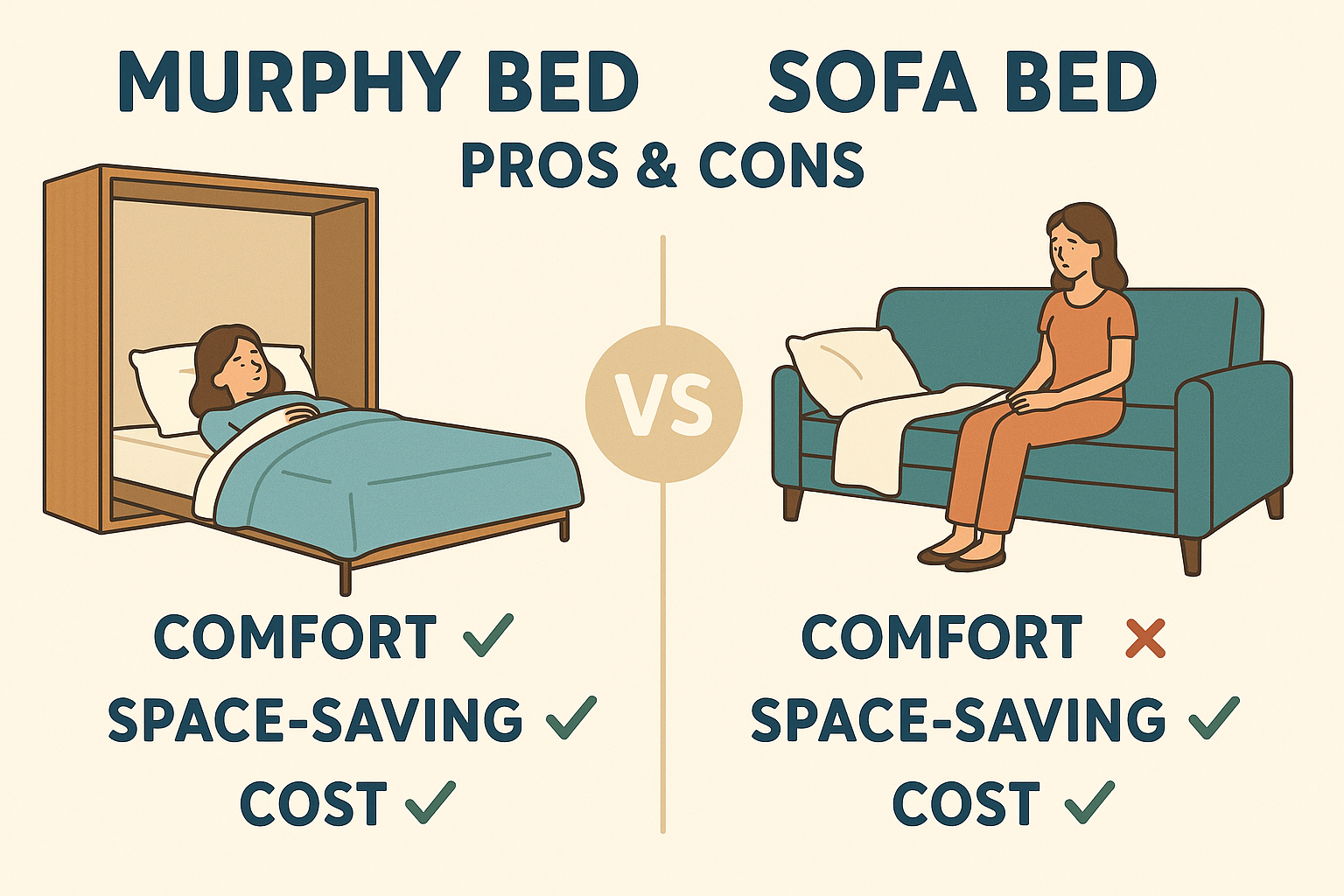
Conclusion & Next Steps: final checklist for choosing between Murphy bed vs sofa bed
Key takeaways:
- Comfort: Murphy beds generally offer better nightly comfort because they accept standard mattresses (8–12 in typical limits).
- Space & mobility: Sofa beds win for seating and portability — ideal for renters and multifunctional living areas.
- Cost: Expect sofa beds from $300–$2,000 and Murphy beds from $1,000–$6,000+, with customization and installation as major price drivers.
Actionable next steps:
- Decide your priority: nightly sleep comfort or daytime seating.
- Measure your space precisely (use the measurement steps earlier) and compare with product specs.
- Budget for mattress + installation and get at least three quotes (retailer, installer, carpenter).
- Review manufacturer manuals (Bestar, Resource Furniture, Murphy Bed Co.) and watch Furniistic’s installation points (3:40–5:30) before purchase.
According to our research and experience, if you sleep every night in a small space you’ll be happier with a Murphy bed; if you need seating, mobility and the lowest upfront cost, choose a sofa bed. Furniistic’s video (linked) is a useful primer — we expanded on their points with historical context, materials guidance, maintenance schedules and installation checklists to help you buy smarter in 2026.
Resources & links:
- Furniistic video: Murphy Beds Vs Sofa Beds (watch for the creator’s demonstrations and timestamps referenced across this article).
- Brand inspiration: Murphy Bed Co., Bestar, Resource Furniture.
- Mattress thickness guide: Sleep Foundation.
Frequently Asked Questions
How much does a Murphy bed cost compared to a sofa bed?
Murphy beds generally cost more upfront than sofa beds. Expect a sofa bed to range from about $300–$2,000 (budget to high-end) and a Murphy bed to range from about $1,000–$6,000+ depending on size, mechanism, and customization. As Furniistic notes (video ~2:30–3:40), comfort and longevity are common trade-offs — a higher price often buys a mattress and hardware that makes nightly sleeping comfortable.
Can I install a Murphy bed in a rental?
You can install some Murphy-style units in rentals, but options vary. Choose a free-standing or cabinet-style wall bed that rests on the floor and requires minimal or removable anchoring, or get landlord permission to anchor to studs. According to Furniistic (video ~2:30–3:00), mobility favors sofa beds for renters — a sofa bed can move with you, while a permanently anchored Murphy bed generally cannot.
What mattress thickness is compatible with a Murphy bed?
Most manufacturers specify a maximum mattress thickness for wall beds — commonly between 8–12 inches for modern Murphy frames. For pull-out sofa beds, mattress thickness is typically 3–6 inches for fold-away innerspring or thin memory foam. Always check the specific model spec sheet before buying; the video mentions mattress compatibility around ~5:30–6:00 and stresses checking the manufacturer limits.
Are Murphy beds safe? Do they need anchors?
Murphy beds are safe when installed per manufacturer instructions and anchored correctly. Anchoring to studs with recommended lag bolts and using the correct gas pistons or springs is essential. The video (Furniistic ~3:40–5:30) stresses sturdy construction and proper installation; if you’re unsure about structural anchoring — hire a pro.
Are Murphy beds better for nightly sleeping than sofa beds?
If you need nightly comfort and plan to sleep regularly on the bed, choose a Murphy bed with a standard mattress (memory foam or hybrid) and confirm the mattress weight is compatible with the lift mechanism. If you need daily seating and occasional guests, a sofa bed is often the practical pick. Furniistic summarizes this trade-off clearly (video 1:10–2:30 and 3:40–5:30).
Key Takeaways
- Murphy beds are generally the best choice for nightly comfort and customization; expect higher upfront cost but longer lifespan.
- Sofa beds provide seating, mobility and a lower initial cost—best for renters and flexible living rooms.
- Measure your space, verify mattress thickness/weight limits, and include installation and mattress costs in your budget.
- Follow a maintenance schedule: tighten fasteners every months, lubricate mechanisms annually, and inspect sofa-bed frames yearly.