
The core idea: a bed that clears floor space
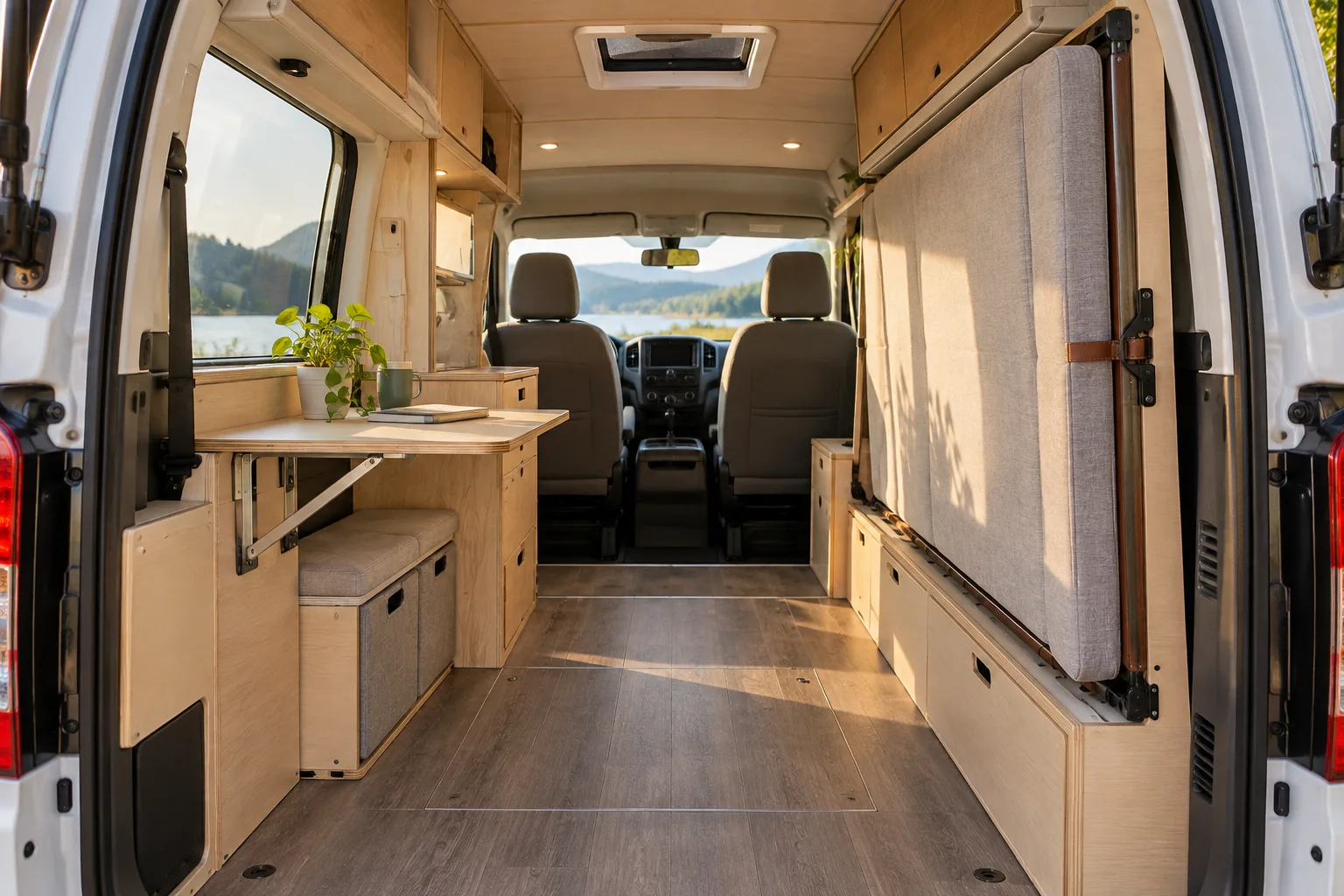
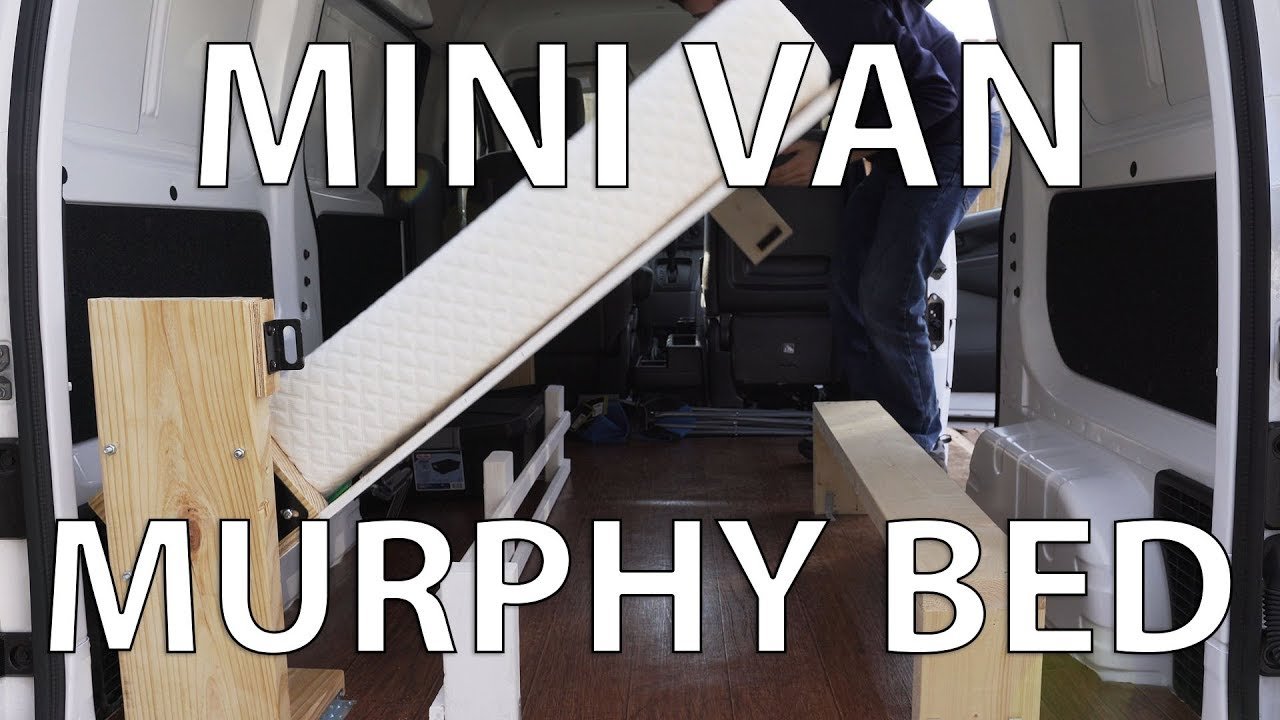
An NV200 Murphy bed can make a compact van more flexible by moving the sleeping platform out of the center of the vehicle when it isn’t needed. In Element Life’s build, the bed lifts upright, leaving an area of floor available for other activities. The creator’s goal was to fit a standard twin memory-foam mattress, keep some room for storage beneath the raised bed, and create space for a desk or other uses.
That combination matters in a small vehicle, where the bed can dominate the layout. A raised bed isn’t automatically the best choice for every owner: the design trades some under-bed storage for a more open floor. Its usefulness depends on what you plan to do with that floor once the bed is stowed.
Element Life describes the project as successful, while being clear that its construction involved trial and error. The bed and supports were adjusted as the creator discovered how the parts fit in the actual van. You can watch the original Element Life NV200 Murphy bed video for the build as shown by the creator.
Think of the NV200 Murphy bed as part of a whole-vehicle layout, not simply a folding mattress. Before buying materials, decide where the bed will rest when raised, what floor area it will uncover, and how you’ll use the available storage. Those choices help determine whether this NV200 Murphy bed approach matches your needs.
NV200 Murphy bed: key takeaways
The build’s key dimensions and materials are straightforward: Element Life used a 75-by-39-inch plywood base for a standard twin mattress, with lumber supports and marine swivel-seat mechanisms serving as the pivot hardware. These are the creator’s reported dimensions, not a guarantee that the same base will fit every Nissan NV200. The support pieces were fitted to the creator’s van through repeated adjustments.
The central trade-off is equally clear. When raised, the bed gives the van a more open floor, but the creator acknowledges that a futon-style bed would likely provide more storage underneath. In this case, preserving some bin space was enough because the creator says the existing storage in the Element wasn’t fully used. That personal circumstance shouldn’t be assumed to apply to every van owner.
Element Life calls the project a success but explains that it took trial and error to get the bed level and the supports to fit. If you’re planning a similar NV200 Murphy bed, use this sequence as a starting point:
- Measure your own van. Check the intended bed footprint and the space around it.
- Plan the raised position. Identify where the bed will sit and how it will be secured.
- Map the support points. Consider the floor’s unevenness and any planned cabinetry.
- Test the mechanism. Check that the bed moves and rests as intended before finishing the layout.
Those checks won’t remove every adjustment, but they can help you find conflicts before the build is finished. The NV200 Murphy bed is best treated as a van-specific project rather than a ready-made plan.
Why choose a Murphy bed for a compact van?
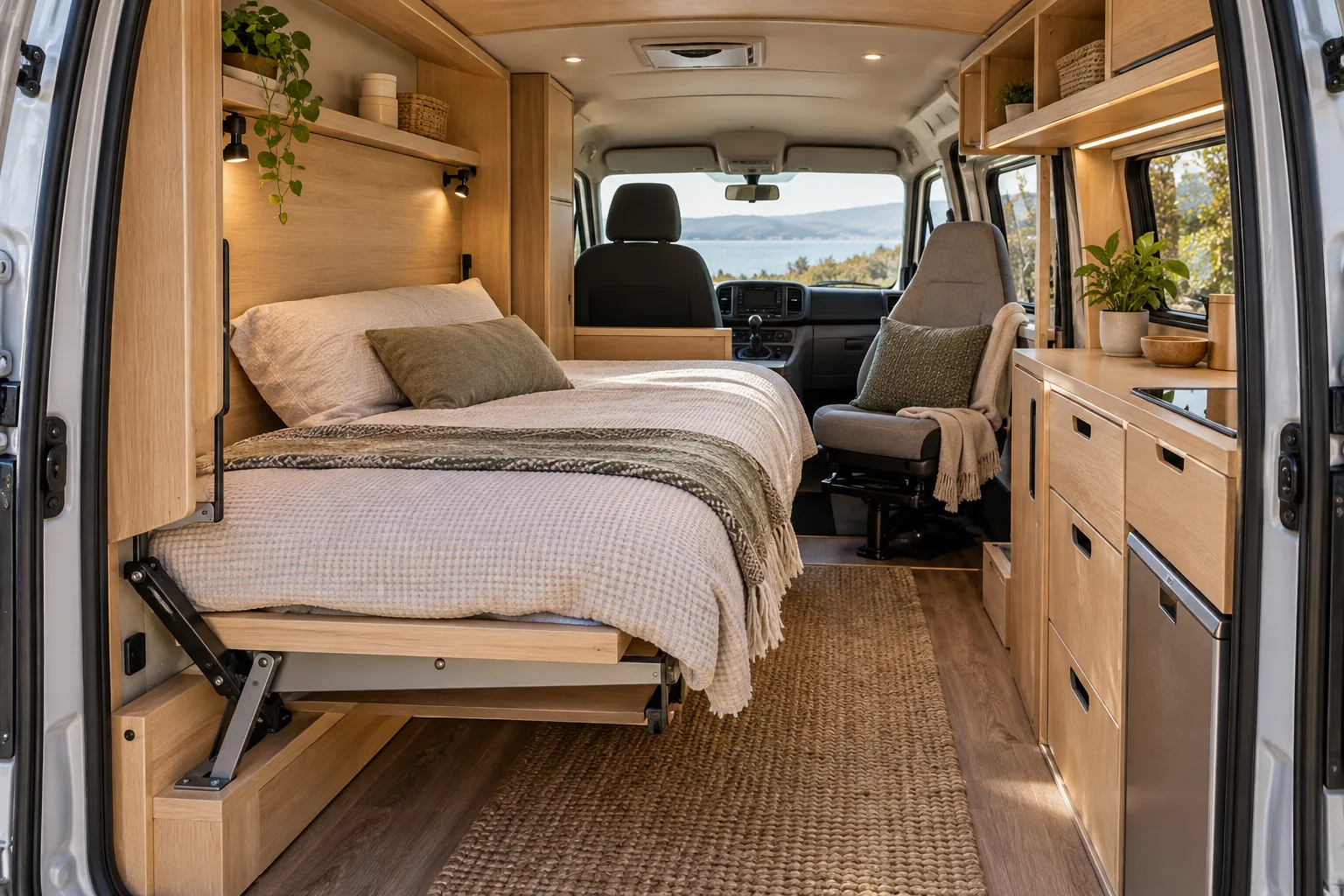
The main reason to choose this NV200 Murphy bed design is the open floor it creates when the bed is raised. The creator compares it with the futon-style bed already used in the Element, which offers more space underneath for storage. A Murphy-style arrangement gives up some of that capacity in return for a clearer central area. That difference is most useful if you have a definite plan for the space rather than simply wanting a different bed mechanism.
Element Life says the open area is intended for a desk setup. The creator also describes a removable table planned to attach beneath the bed, with the aim of using it as a work surface, extra cooking space, or a place for two people to eat. Those uses explain why floor space is central to the design: the bed is meant to make room for changing activities inside a compact van.
The choice also reflects the creator’s personal storage needs. Element Life describes themself as a minimalist and says bins under the existing Element bed aren’t filled completely. That makes sacrificing some storage more reasonable for this particular conversion, but it doesn’t make the trade-off right for everyone. If you carry more gear, storage may matter more than an open floor.
Use this checklist before choosing a NV200 Murphy bed layout:
- Estimate how much storage you actually need, including bins you use regularly.
- Decide how often you want the middle of the van open and what you’ll do there.
- Consider whether fitting a conventional twin memory-foam mattress is a priority.
If the open space would serve a real purpose and your storage needs are modest, this NV200 Murphy bed concept may suit your routine. If not, compare it with a fixed or futon-style arrangement before committing.
Planning the mattress size and bed base
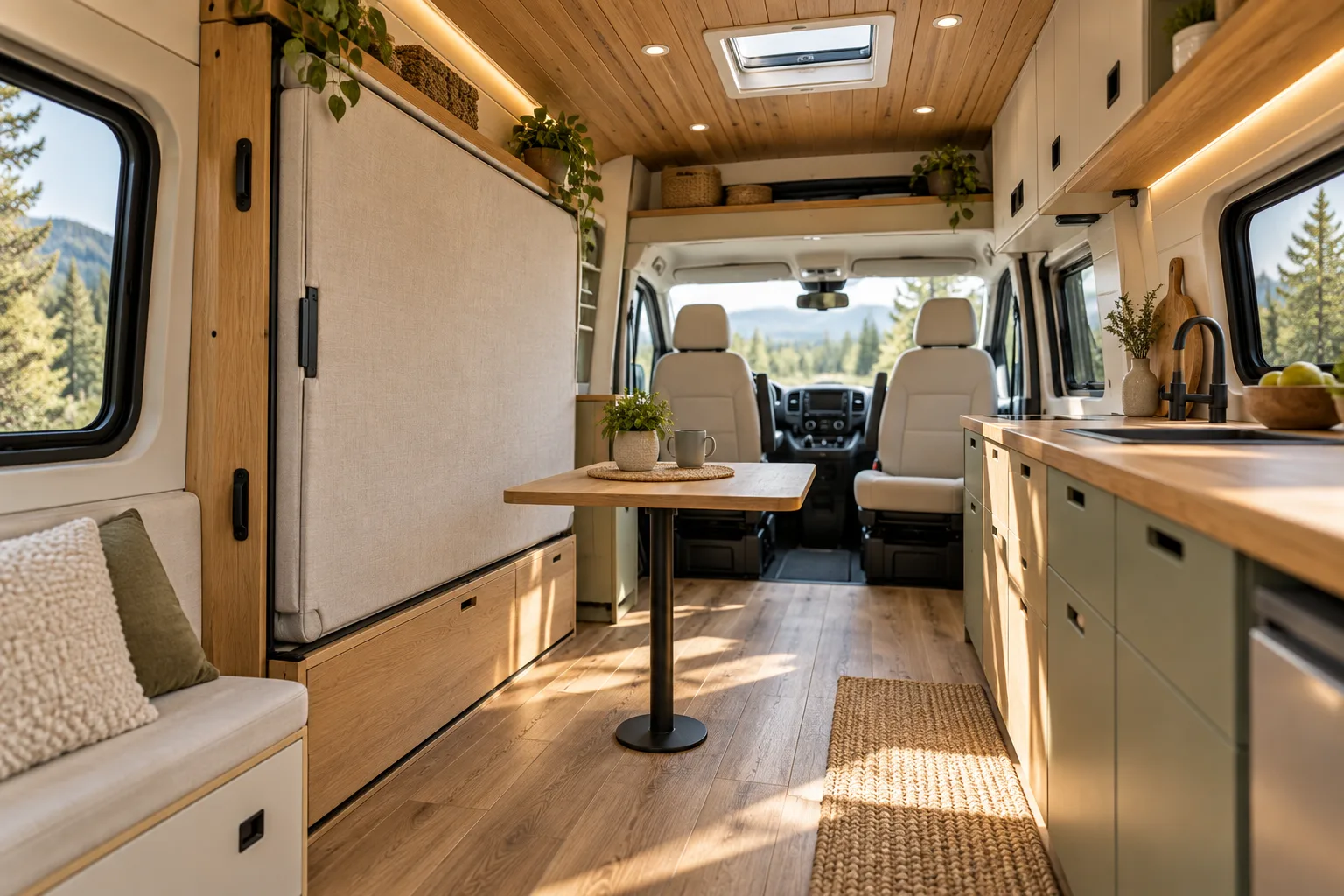
Element Life chose a standard twin mattress, in part to gain more sleeping room than the creator had in the Element and to use a standard memory-foam mattress. The creator reports that it felt at least four inches larger than the existing bed. That comparison describes the creator’s setup; it shouldn’t be taken as a measurement of every NV200 interior or every bed layout.
For the platform, the creator used a plywood piece measuring 75 inches by inches. Element Life says they spent a little more on a quality sheet to reduce the chance of starting with a bowed base. A flat, appropriately supported platform matters because the mattress rests on it, but the video doesn’t establish that these dimensions or this material choice will work in every vehicle.
Before you buy plywood or a mattress for your own NV200 Murphy bed, measure the vehicle where the bed will actually sit. Check clearance near the walls and seats, and consider how the base will move into its raised position. A platform can fit one way while stowed but collide with an adjacent surface when pivoted. Confirm the dimensions of the mattress and base separately, too, so you know exactly what footprint you’re planning around.
A practical order of work is to measure the usable space, mark the planned mattress footprint, and then test whether that footprint can move through the bed’s intended path. Only after checking both positions should you settle on material dimensions. This approach preserves the creator’s useful reference point—the 75-by-39-inch base—without treating it as a universal template for an NV200 Murphy bed.
Building the NV200 Murphy bed support system
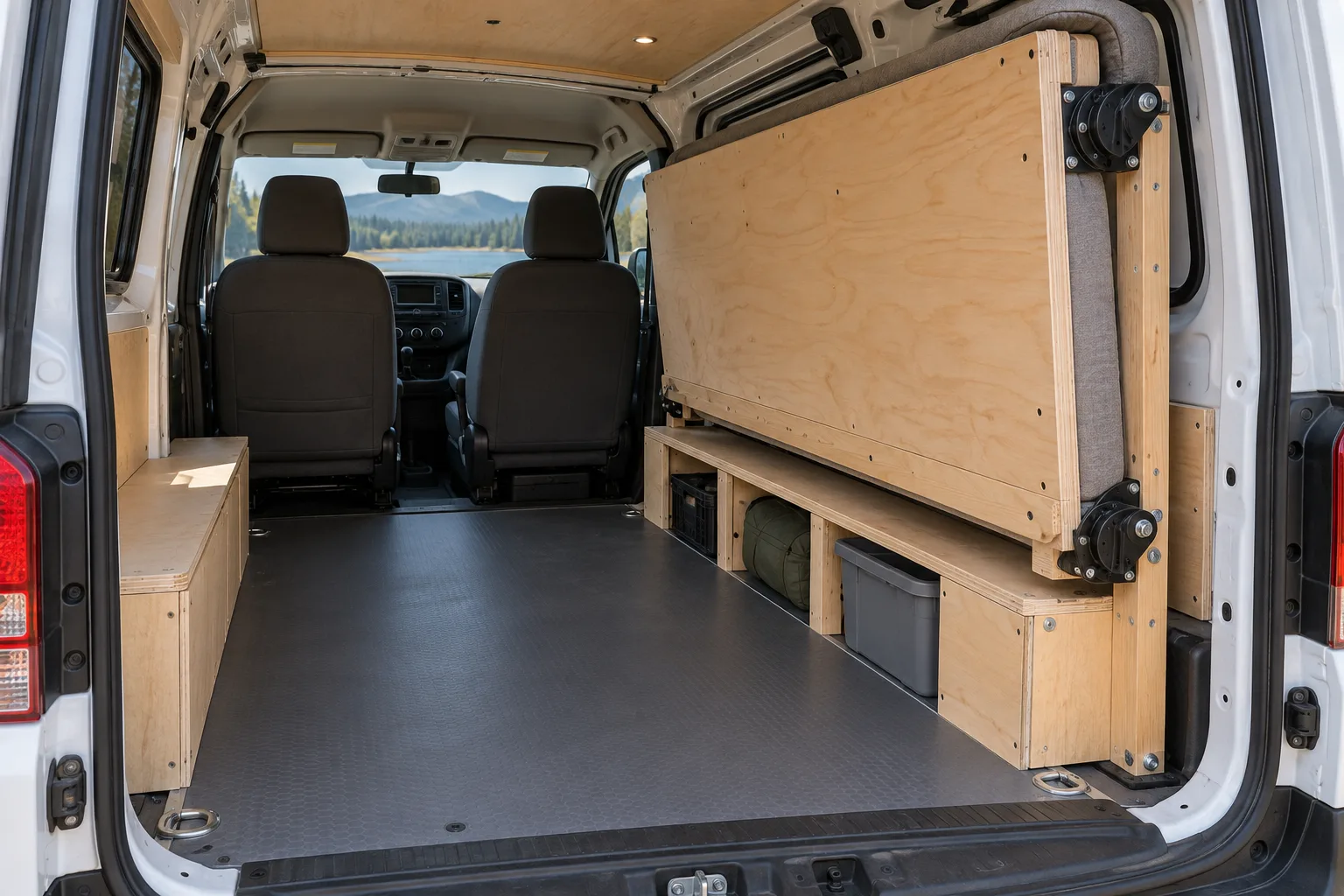
The bed’s pivot supports sit along the wall side. Element Life used two 2-by-10 pieces, arranged in an L-like shape, and bolted marine swivel-seat mechanisms to them. The creator chose this hardware instead of a dedicated Murphy-bed mechanism with shocks, describing the commercial-style option as expensive. The marine swivel hardware was reported to cost about $15–$20 per mechanism. That price is the creator’s account, not a current quote or a claim about every product.
On the other side of each swivel mechanism, additional 2-by-10 pieces connect to the bed’s lower frame. The creator did not build a frame around the entire mattress; instead, the frame uses pieces at the lower end. A 2-by-4 cut to the bed’s length helps keep the mattress in place when the platform is raised. This is a specific arrangement from the video, so check how your own mattress and platform behave before relying on a similar retainer.
Element Life secured the raised bed with a heavy-duty gate lash attached to the rear support. For your own NV200 Murphy bed, assess the load, the pivot hardware, the attachment points, and the way the bed will be restrained. Don’t assume the creator’s hardware or securing method is suitable for every vehicle or build. Make sure you understand how each part works together before placing the bed in its raised position.
Plan this stage in order: position the wall-side supports, check where the pivots will sit, attach the bed-side pieces, and test the movement and mattress retention. Then evaluate how the bed is held upright. A mechanism that pivots smoothly still needs a reliable way to remain in the intended position. Careful testing is a key part of making an NV200 Murphy bed work as a complete system, not just as a collection of lumber and hardware.
Leveling, storage and secondary supports
Element Life built a low middle support that serves two purposes: it helps support the bed and acts as a barricade to keep storage bins underneath from shifting. The creator made it from 2-by-4s. Because the NV200 floor wasn’t perfectly level, the pieces needed different lengths; the creator cut and recut supports while working out the fit. That detail is a useful reminder that a van floor may not offer a simple, level reference for every support.
On the passenger side, a 2-by-6 provides support for the bed and is also intended to serve as a support for a future cabinet system. At the front passenger side, the creator added a folding support made from another 2-by-6. It swings on a hinge and uses Velcro to help keep it in place when not in use. These supports connect the bed design to the broader layout, but the planned cabinet should be considered part of the creator’s design rather than a completed installation in the video.
For your NV200 Murphy bed, avoid cutting every support to a final length before checking the actual platform position. A useful build sequence is:
- Set the bed base where it will operate.
- Check whether it sits level in the position you want.
- Mark support heights against the van and platform.
- Cut and test the supports, adjusting where needed.
- Finalize attachments only after confirming the fit and movement.
This staged approach reflects the creator’s trial-and-error process and helps you catch uneven-floor issues before finalizing the structure. Keep storage-bin access in mind as you place the middle barricade, and check that any folding support can move as intended. The support layout for an NV200 Murphy bed should be measured in the actual vehicle rather than copied by dimensions alone.
What the open floor makes possible
The creator’s main planned use for the opened floor is a removable table. Element Life says the table was already built and coated with polyurethane, but the RV table poles intended to support it had not arrived when that part of the video was filmed. As a result, the video describes a planned arrangement, not a completed and demonstrated table installation. Keep that distinction in mind when evaluating how the finished layout might work.
The intended table uses are specific: a desk station, extra cooking surface, or a place for two people to dine. The creator planned for it to attach beneath the bed using RV table poles and to store underneath when it wasn’t in use. That arrangement is meant to make the cleared floor useful without leaving a permanent table in the center of the van.
Before designing a table for your NV200 Murphy bed, list the activities you want to support and the space each one requires. A work surface may need to be positioned differently from a cooking surface or dining table. Also consider where the table will be stored when removed and whether it will interfere with bins, the bed, or movement through the van. These are planning questions prompted by the creator’s proposal, not features confirmed in the video.
The broader lesson is that the value of an NV200 Murphy bed depends on what you do with the space it frees. If you have no use for an open floor, the storage sacrificed to lift the bed may not be worthwhile. If you want a work, food-preparation, or dining area, sketch those activities into the layout before building. The NV200 Murphy bed mechanism is only one part of a space plan.
Build challenges, finish and practical lessons
Element Life says the project took a few days and that working mostly alone made some steps harder. Lifting and carrying the bed, holding pieces in position, and checking whether the platform was level all required extra effort. Bolting the swivel mechanisms in place was awkward for one person; the creator joked that some tasks seemed to call for four or five hands. That account gives a realistic view of the build process without suggesting that every stage will take the same amount of time for every builder.
The underside of the bed was painted white to match the furniture the creator planned to build. Element Life also liked the idea of treating the white surface like a wall where pictures could be added. It’s a simple finish choice tied to the rest of the van’s intended interior, rather than a structural requirement for an NV200 Murphy bed.
The most practical lessons are to expect adjustments, check alignment repeatedly, and arrange help when you need to lift or hold large pieces. The creator’s repeated cuts to level the bed and difficulty fastening the pivots show why it’s useful to test the fit as you go instead of assuming an initial plan will work unchanged. If you’re building alone, identify the steps that require holding a heavy or awkward component before you begin them.
For your NV200 Murphy bed, keep a clear distinction between fit checks and final attachment. Position the pieces, verify the bed’s movement, and reassess the supports before completing the build. Enlist another person where possible for lifting and alignment tasks, especially when you need both hands free to check a joint or fastener. These lessons follow directly from the creator’s experience and help make a trial-and-error project easier to manage.
Conclusion: plan the space before the bed
Element Life’s build shows how a raised bed can make a compact van more adaptable, but the benefit comes from the layout it enables. The creator fitted a standard twin mattress on a 75-by-39-inch plywood base, used marine swivel-seat hardware as pivots, and built supports that needed adjustment to account for the NV200’s uneven floor. The design also gives up some storage compared with the futon-style bed in the Element.
Before you start your own NV200 Murphy bed, take these next steps:
- Measure the van in place. Check the bed footprint, surrounding clearances, and raised position.
- Decide what the open floor is for. Plan a desk, table, or other use before giving up storage.
- Map the supports and restraint. Consider the pivot points, floor level, mattress retention, and how the bed will stay upright.
- Test before finishing. Fit the platform and supports, check alignment and movement, then finalize the attachments.
The video’s most useful lesson is not that every NV200 should use the same dimensions or hardware. It’s that a compact conversion works best when the bed, storage, and everyday activities are designed together. Use Element Life’s build as a concrete reference, and adapt the NV200 Murphy bed to your measurements and priorities.
Key Takeaways
- Element Life used a standard twin mattress on a reported 75-by-39-inch plywood base; measure your own NV200 before choosing dimensions.
- Marine swivel-seat hardware served as the pivot mechanism, with lumber supports and a heavy-duty gate lash used in the creator’s setup.
- The raised bed clears floor space but offers less under-bed storage than a futon-style arrangement.
- The creator adjusted supports to account for an uneven floor, so test the fit and level before finalizing attachments.
- Plan a practical use for the open floor—such as the creator’s proposed desk or removable table—before committing to the layout.
Frequently Asked Questions
What mattress size did Element Life use for the NV200 Murphy bed?
The creator chose a standard twin memory-foam mattress and built a plywood base measuring by inches. Those are the dimensions reported for this van, not a guaranteed fit for every NV200.
Did Element Life use a commercial Murphy-bed mechanism?
No. The creator used marine swivel-seat mechanisms instead of a dedicated Murphy-bed mechanism with shocks, reporting a cost of about $15–$20 per mechanism.
Does a Murphy bed offer as much under-bed storage as a futon-style bed?
According to the creator, the Murphy arrangement sacrifices some under-bed storage in exchange for open floor space when raised. The right trade-off depends on your storage needs and how you plan to use the cleared area.
How did the creator secure the bed in its raised position?
Element Life used a heavy-duty gate lash attached to the rear support. Builders should assess their own hardware and securement requirements rather than assume this setup suits every conversion.
Is this support layout a ready-made plan for every Nissan NV200?
No. The creator describes a trial-and-error build fitted to their own van, including adjustments to level the bed. Measure your vehicle and test the fit and movement before finalizing your supports.